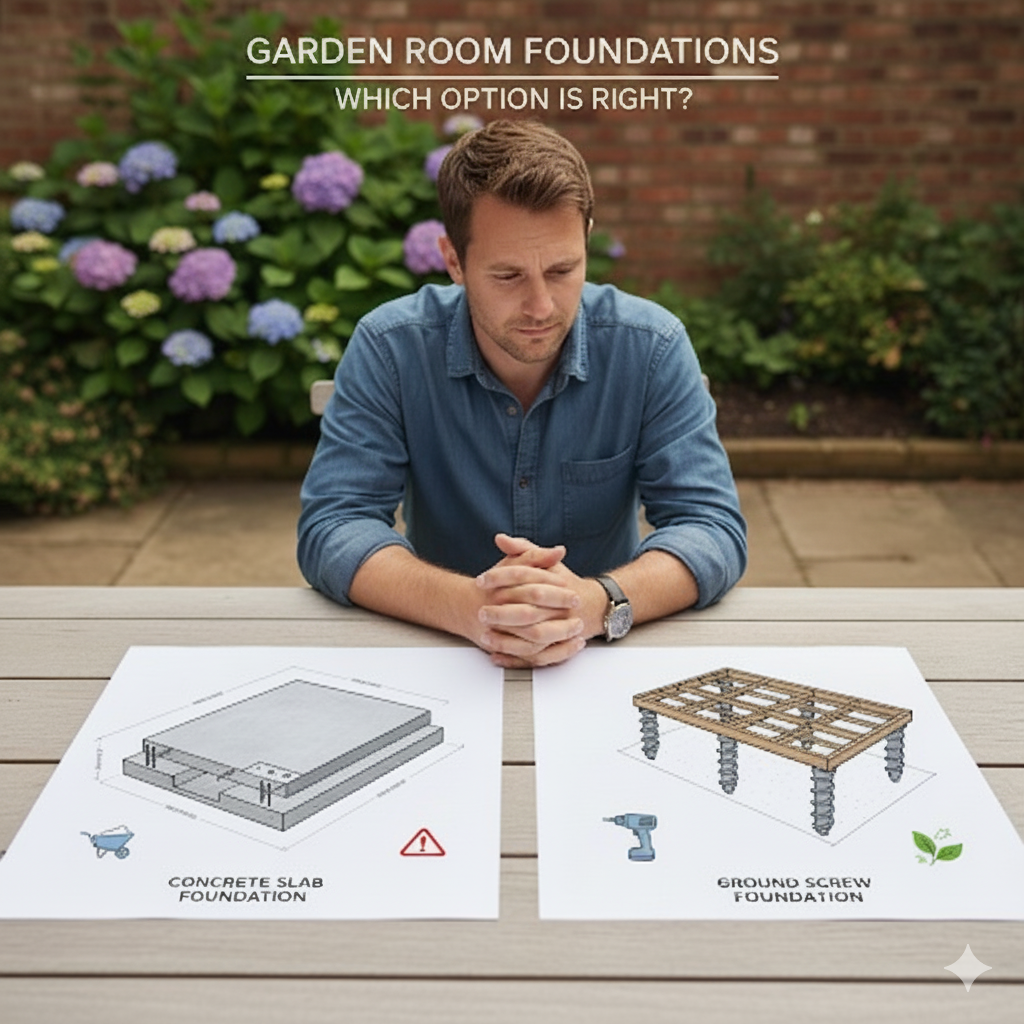
Garden Room Foundations: Which Option is Right for Your Garden Room?
A garden room is a fantastic investment, offering extra space for an office, gym, or relaxation area right outside your back door. But before you start choosing paint colours, you need to lay the groundwork—literally. The foundation is arguably the most critical component of your build, ensuring stability, preventing moisture issues, and guaranteeing the longevity of your new space.
When it comes to foundations, two options typically dominate the conversation: the traditional concrete slab and the modern ground screw system. So, which one is right for your plot? Let’s dig in!
The Classic Choice: Concrete Slab
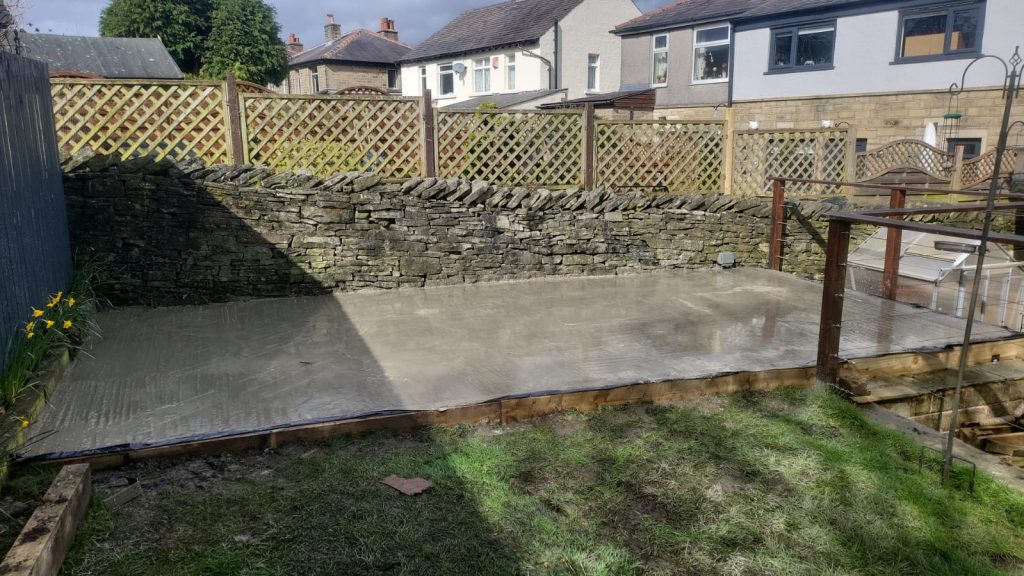
The concrete slab is the traditional, robust foundation method. It involves pouring a thick, level layer of concrete over a prepared area.
👍 Pros of a Concrete Slab
- Maximum Stability: Once cured, a concrete slab provides an incredibly solid, continuous base, making it ideal for heavy structures or those with a high point load.
- A Familiar Method: Most builders are well-versed in pouring concrete, meaning it’s a tried-and-true method with predictable results.
- Excellent for Impermeable Surfaces: It provides a great barrier against ground moisture, especially when paired with a damp-proof membrane (DPM).
👎 Cons of a Concrete Slab
- Disruptive & Messy: Preparing and pouring concrete is labour intensive, often requiring heavy machinery and generating a lot of mess on your plot.
- Slow Curing Time: Concrete needs time to cure (often several days to a week) before construction can safely begin, delaying the project timeline.
- Poor Drainage: If installed incorrectly, water can pool around the base, which can be an issue over time.
- Environmental Impact: Concrete production has a relatively high carbon footprint.
- Permanent: Removing a concrete slab in the future is a major, costly demolition job.
🎯 Best for:
- Anyone prioritizing a fully solid floor structure (e.g., for a pottery studio with heavy equipment).
- Heavy, large garden rooms.
- Plots with a very flat, stable surface.
The Modern Solution: Ground Screws
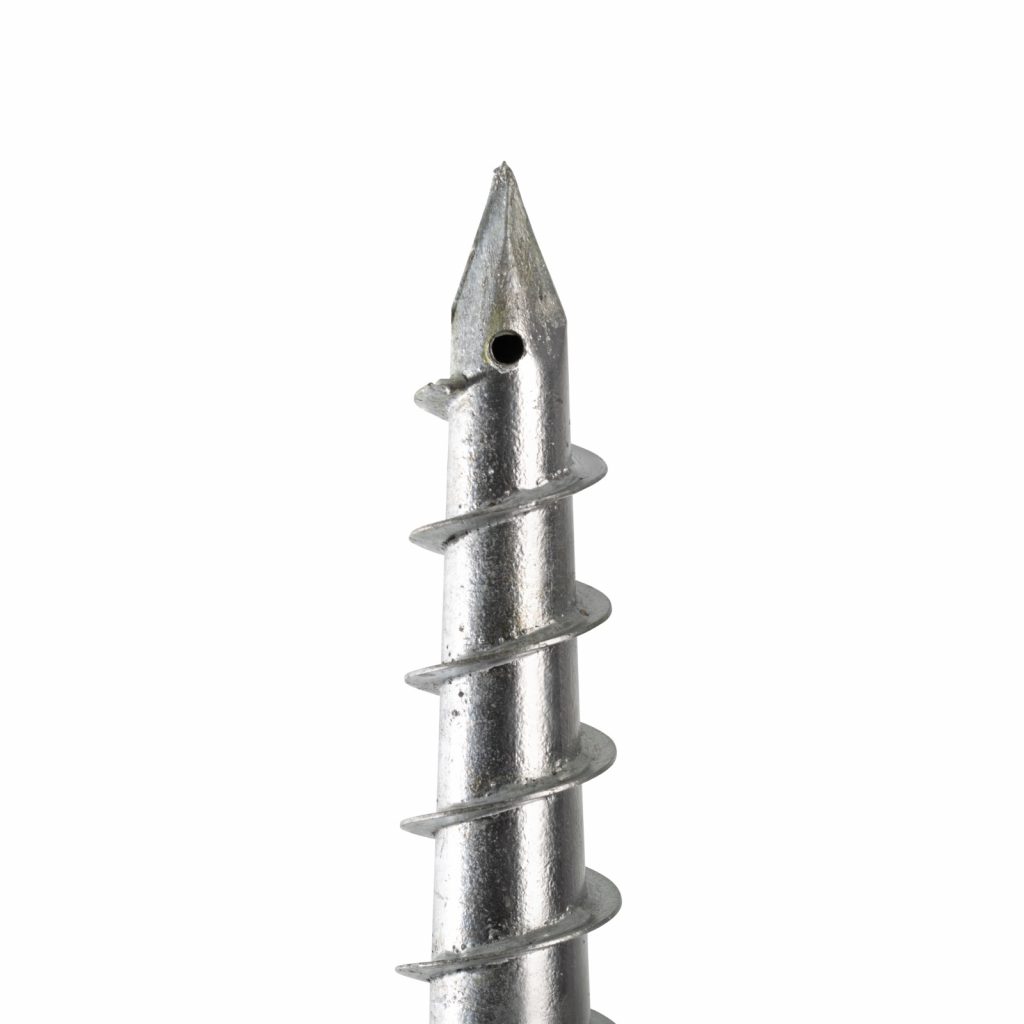
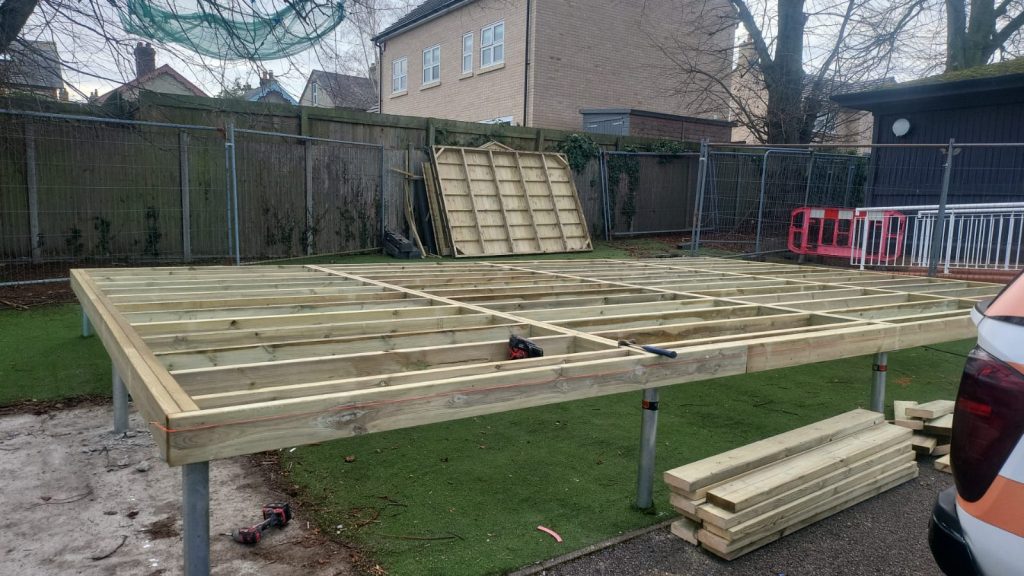
Ground screw foundations are the newer, more eco-friendly alternative. They are large steel screws drilled deep into the ground until they hit the required load-bearing capacity. The garden room frame is then built directly on the heads of these screws.
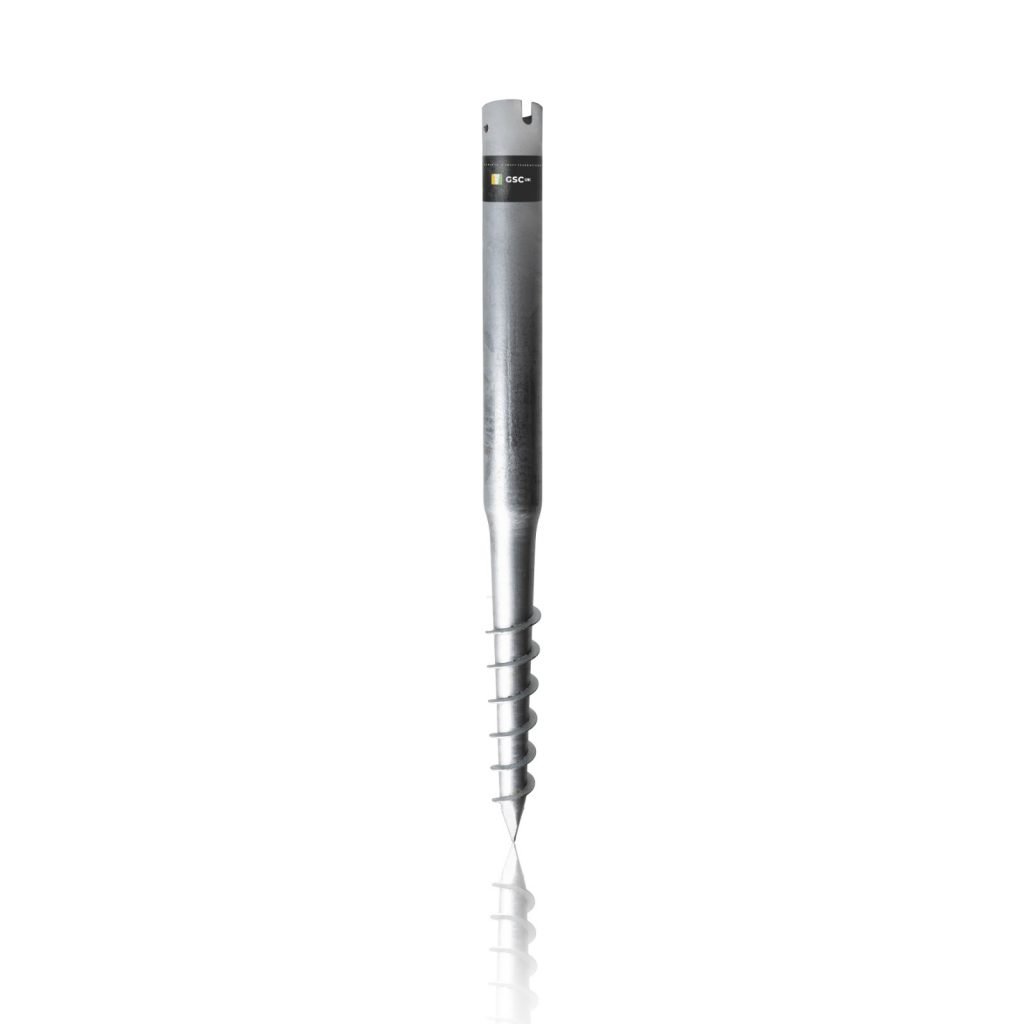
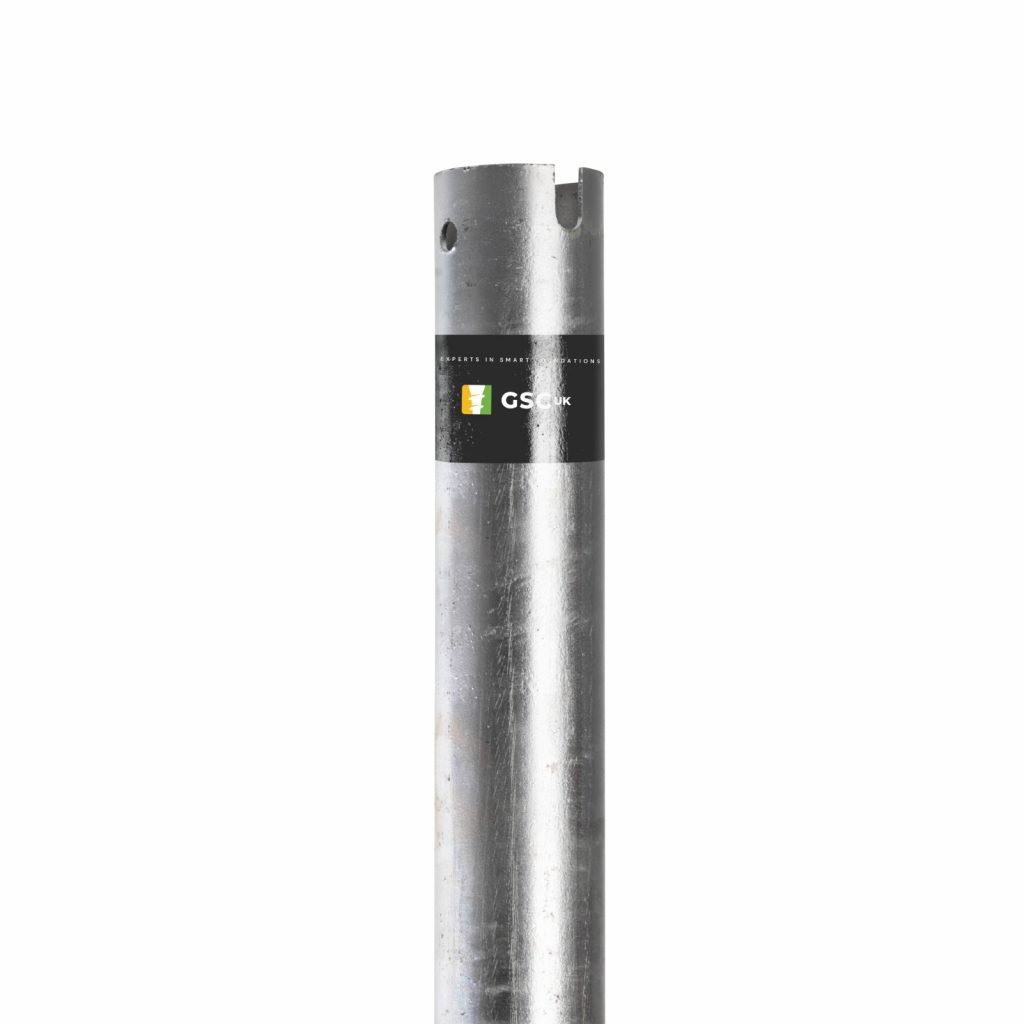
👍 Pros of Ground Screws
- Minimal Ground Disruption: There’s virtually no digging, mess, or removal of soil. Your garden remains largely intact.
- Speedy Installation: Ground screws can be installed in a matter of hours, allowing construction to begin immediately.
- Suitable for Uneven Ground: They excel on sloped, uneven, or difficult terrain, as each screw can be adjusted individually to create a perfectly level base.
- Excellent Airflow: They lift the structure off the ground, creating a void that allows for superb ventilation, protecting the floor from damp and rot.
- Removable & Reusable: If you ever decide to move the garden room or remove it entirely, the screws can be easily unscrewed with minimal trace
👎 Cons of Ground Screws
- Cost: Ground screw systems can sometimes be more expensive upfront than a basic concrete slab.
- Depth Limitations: They are not suitable for plots with very shallow bedrock or areas with hidden large boulders. A pre-installation ground survey might be necessary.
- Requires Expertise: Installation requires specialist equipment and trained personnel to ensure they meet the correct load-bearing tolerance
🎯 Best for:
- Plots where you want to maintain the natural drainage.
- Sloping or uneven gardens.
- Homeowners who want minimal disruption and a fast build time.
- Eco-conscious builders (lower carbon footprint).
For more information about ground screws as a foundation method, the staff at The Ground Screw Centre can help. They can answer all of your questions about the method, tell you if ground screws could be a solution for your project, and explain more about how ground screws work and why they are rivalling traditional foundation methods
A Quick Comparison
| Feature | Concrete Slab | Ground Screws |
| Ground Disruption | High (lots of digging) | Minimal (no digging) |
| Speed of Install | Slow (requires curing time) | Fast (instant start) |
| Suitability for Slopes | Poor (requires extensive levelling) | Excellent (screws adjust individually) |
| Airflow/Damp | Requires DPM, lower airflow | Excellent, lifts structure for ventillation |
| Cost | Typically lower upfront | Can be higher upfront |
| Future Removal | Very difficult, can be costly | Easy and clean |
The Verdict
Choose Based on Your Priorities. If your plot is flat, you’re working on a tighter budget, and you don’t mind the mess and delay of concrete, a Slab remains a solid choice.
If your plot is sloping or uneven, you want the fastest possible build time, are concerned about damp prevention, or prioritize sustainability, Ground Screws are the superior, modern solution.
Leave a Reply